Activities
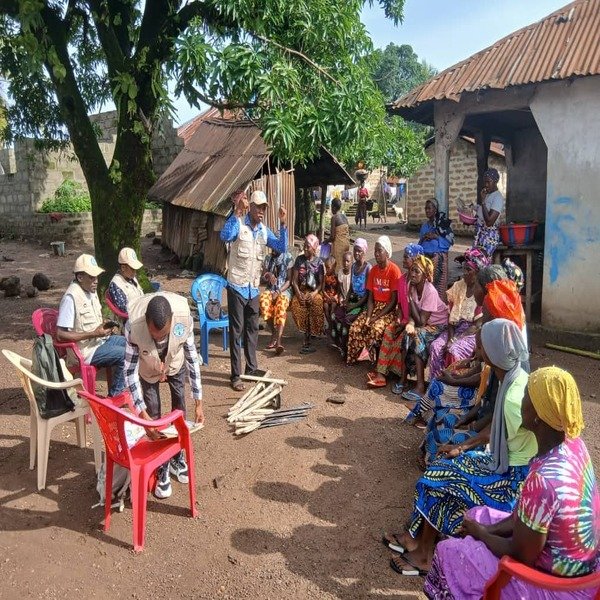
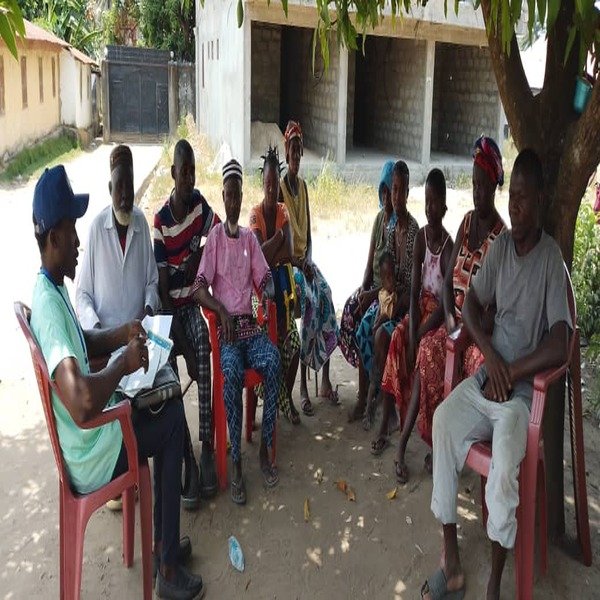
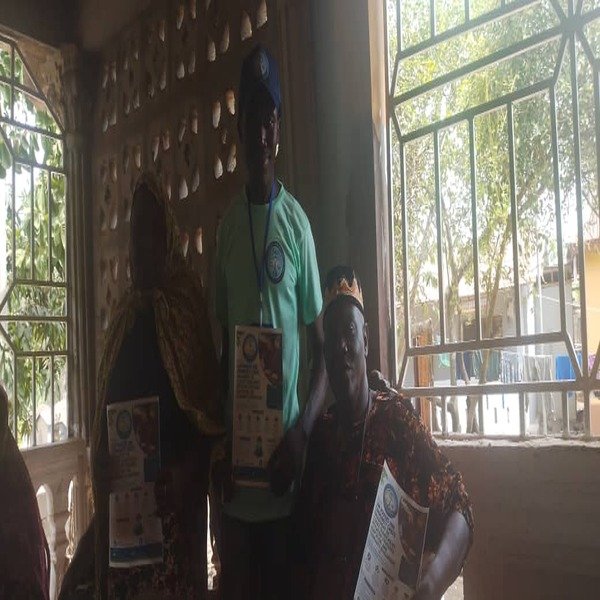
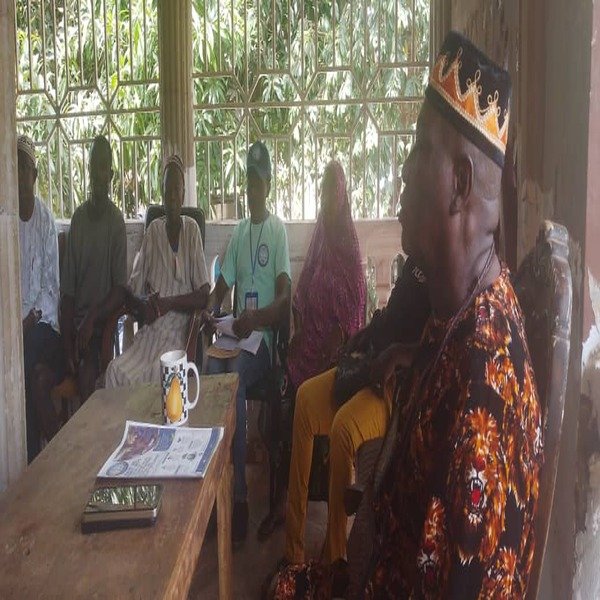
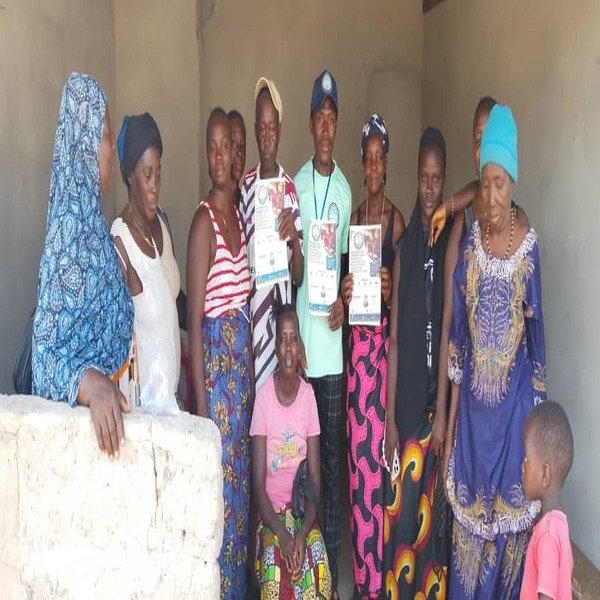
Law Makers and Community Chiefs Engagement on Climate Change Policy, Mitigation Strategies, Adaptation, and Community Development in Sierra Leone
Status: Completed
Year: 2026
Location: 10 Communities, Makeni, Sierra Leone
Project Overview
This project focused on strengthening collaboration between lawmakers; community chiefs; and citizens to address the growing impacts of climate change and promote sustainable community development. And the engagement aimed to build awareness and practical understanding of climate change challenges and solutions at the community level.
Project Objectives
- To increase awareness on climate change and its effects
- To strengthen collaboration between policymakers and traditional leaders
- To promote mitigation and adaptation strategies
- To support sustainable community development practices
Beneficiaries
500 direct beneficiaries, including:
- Women;
- Youth;
- Farmers;
- Law Makers; and
- Traditional leaders
10,000 indirect beneficiaries.
Key Activities Implemented
- Community engagement and dialogue sessions
- Climate change awareness discussions
- Policy sensitization with local stakeholders
- Training on environmental protection practices
- Advocacy on tree planting and waste management
Results / Achievements
- Improved community understanding of climate change
- Strengthened cooperation between chiefs, citizens, and stakeholders
- Increased awareness on adaptation and mitigation strategies
- Enhanced commitment to environmental protection practices
- Active participation of women and youth in discussions
Quotes / Testimonials
- Chief Pa Santigie Lima Koroma – Congo Town Community (2026):
“Climate change is already affecting our farming activities, water supply, and livelihoods. This engagement has provided us with important knowledge and practical solutions. We are committed to working together to protect our environment and secure a better future for our people.” - Women of Congo Town Community (2026):
“We have experienced flooding in previous years, especially in August 2025, where we lost food supplies, household items, and access to clean water. We are ready to support climate action and work together for resilience and development.”
Partners & Stakeholders
- Community Chiefs of Congo Town
- Local stakeholders and residents
Conclusion / Sustainability
The project successfully strengthened community awareness and participation in climate change action in Sierra Leone. Moreover, it laid a foundation for continued collaboration between leaders and citizens. And the knowledge gained will support long-term resilience; environmental protection; and sustainable community development in Makeni, Sierra Leone.
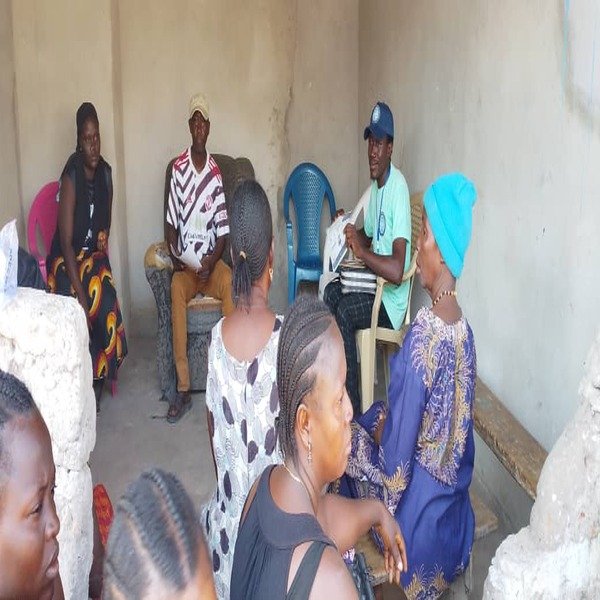
Climate-Resilient Farming Initiative for Local Farmers in Bombali District, Sierra Leone
Status: completed
Year: 2026
Location: 45 Communities in Bombali District, Sierra Leone
Project Overview
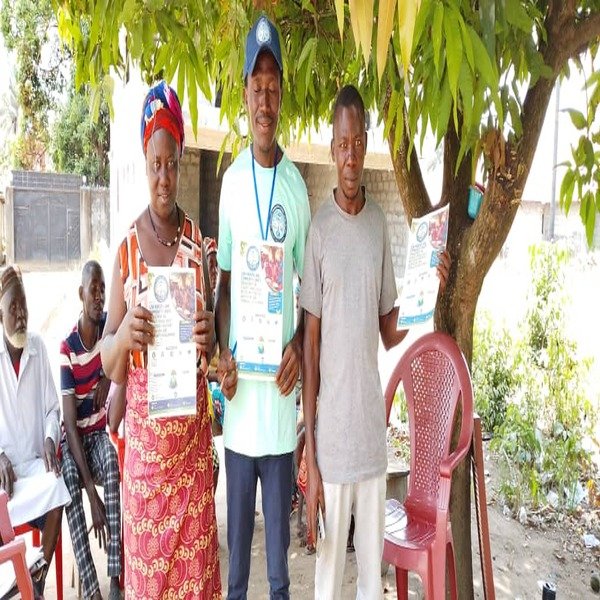
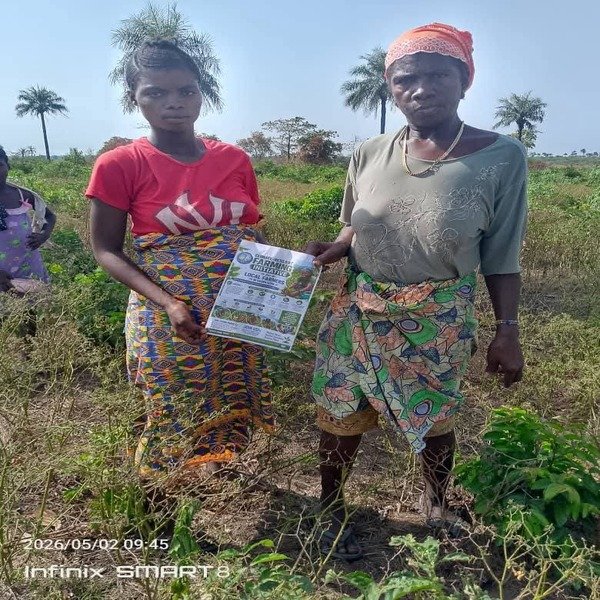
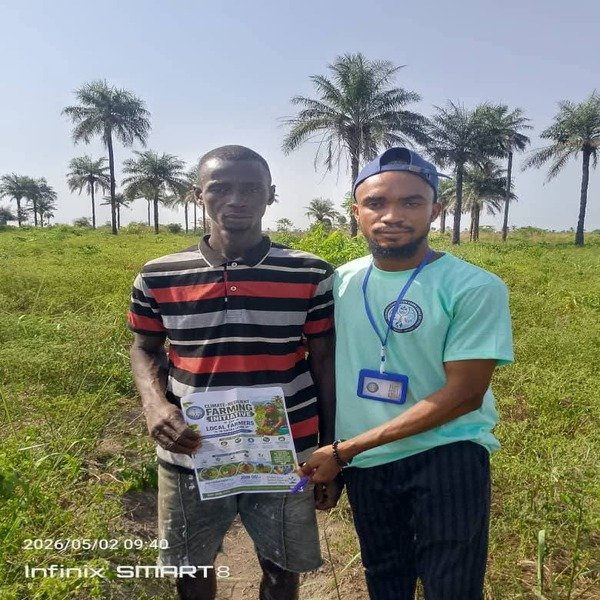
This project focuses on direct community-based education and engagement of rural farmers on climate change impacts and climate-smart agricultural practices aimed at improving resilience and sustainable farming outcomes.
Project Objectives:
- To educate farmers on climate change and its impact on agriculture
- To promote climate-smart farming practices
- To strengthen farmers’ adaptive capacity to environmental changes
- To improve sustainable agricultural productivity in rural communities
Beneficiaries:
Direct: 50
Indirect: 470
Key Activities Implemented
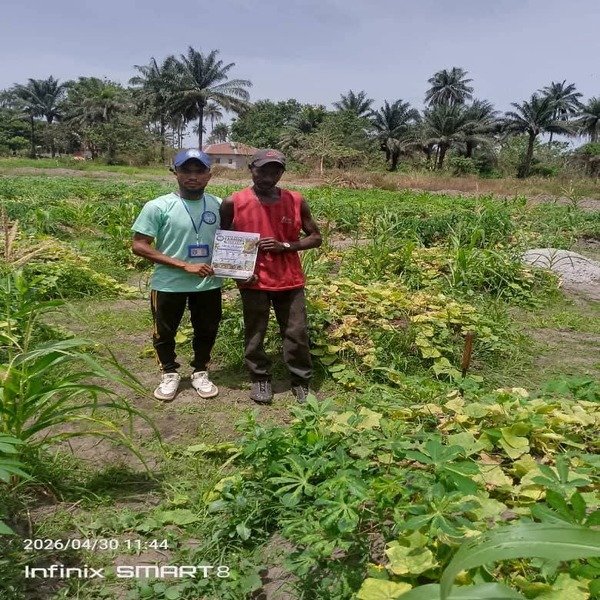
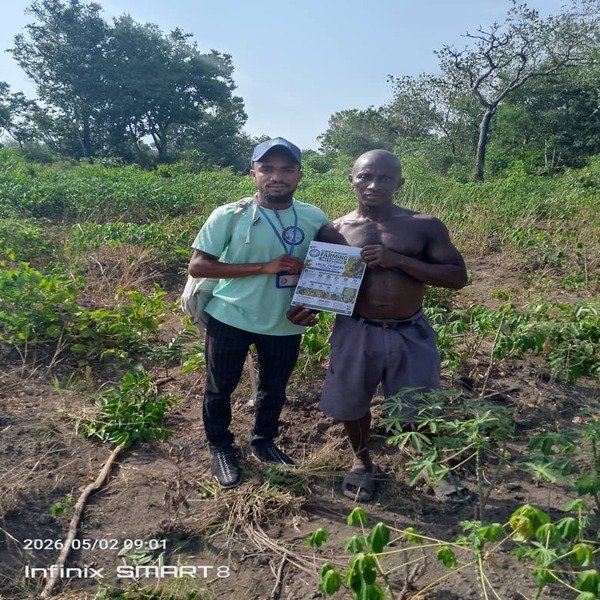
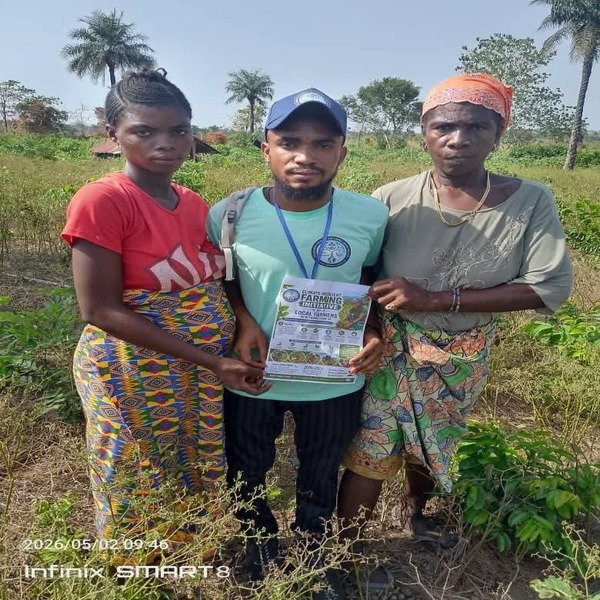
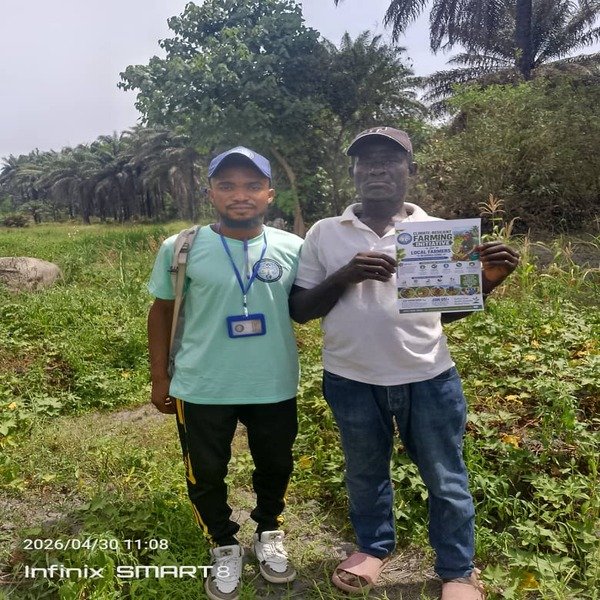
- Direct farm visits and community-based farmer engagement
- Climate change awareness and practical education sessions
- Assessment of farming conditions and crop performance
- Advisory support on climate-smart agriculture practices
- Farmer consultation on agricultural challenges and needs
Results/ Achievements
- Improved awareness of climate change among rural farmers
- Enhanced understanding of climate impacts on crop production
- Strengthened farmer engagement through field-based education
- Increased willingness to adopt climate-smart agricultural practices
- Better identification of farmer needs for future support interventions
Testimonials
Mr. Ibrahim Turay – Teko Community (2026):
“If I get support with farming tools such as hoes, shovels, cutlasses, fertilizers, and access to irrigation or water supply, as well as proper farming education, my farming business will improve greatly for me, my family, and the development of my community. Honestly, climate change is affecting my production, but with support and knowledge I will do better.”Mr. Ibrahim Turay – Teko Community (2026):
“I don’t have tools such as hoe, shovel, and chemical like fertilizers. Moreover, the sun is affecting my crops. And when there’s no rain I don’t have any alternative means to get water to water the crops unless they die and I lose everything for the season. Climate change is my biggest challenge. I’m not happy.”
Mrs. Fatu M. Kamara – Teko Community, Bombali District (2026):
“I don’t have tools such as hoe, shovel, and chemical like fertilizers. Moreover, the sun is affecting my crops. And when there’s no rain I don’t have any alternative means to get water to water the crops unless they die and I lose everything for the season. Climate change is my biggest challenge. I’m not happy.”
Partners
Rural Farmers
Conclusion/ Sustainability
The engagement highlighted the urgent need for practical support; agricultural tools; irrigation systems; and continuous farmer education to strengthen climate resilience. Moreover , it reinforced the importance of direct field-based interventions in improving livelihoods and promoting sustainable farming practices in Bombali District, Sierra Leone.
Climate Change Resilience and Disasters Awareness & Prevention Education for Vulnerable (Disabled) People and Communities in Sierra Leone
Status: completed
Year: 2026
Location: 8 Communities in Bombali District, Sierra Leone
Project Overview
This project focused on promoting climate change awareness; disaster risk education; and inclusive community resilience among persons living with disabilities. The engagement emphasized the importance of ensuring that vulnerable groups are actively included in climate action and disaster preparedness initiatives.
Project Objectives:
- To raise awareness on climate change and disaster risks among persons with disabilities
- To promote inclusive climate action and disaster preparedness
- To strengthen community resilience and environmental protection
- To support early climate education and participation of vulnerable groups
Beneficiaries:
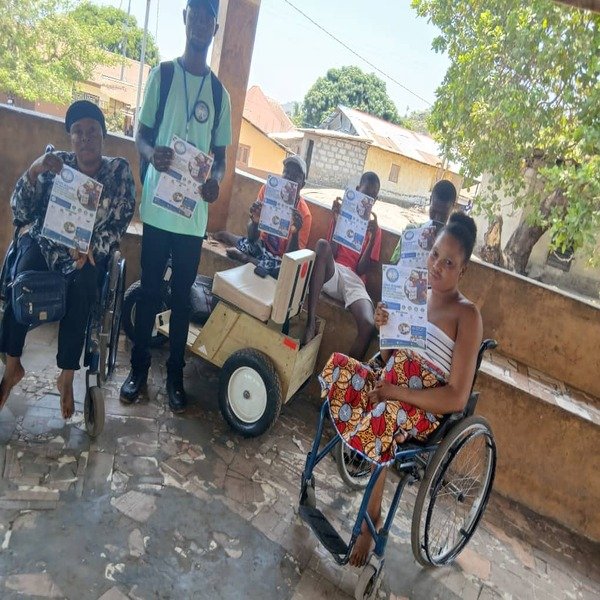
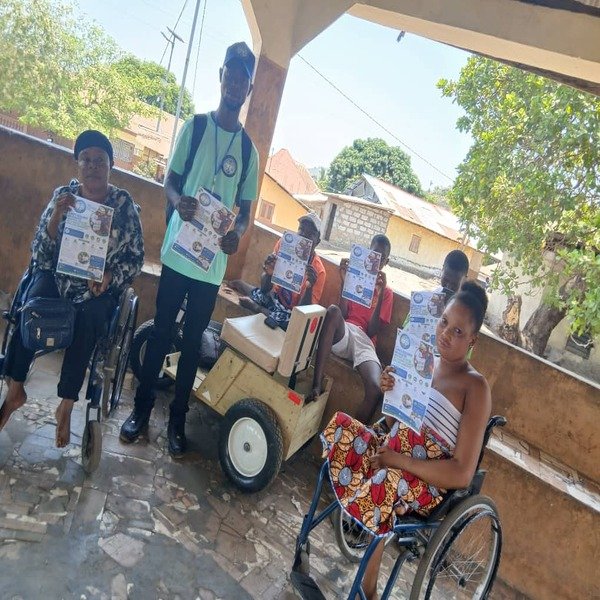
- Direct: 186 (persons with disabilities including children)
- Indirect: 500+ community members and surrounding vulnerable households
Key Activities Implemented
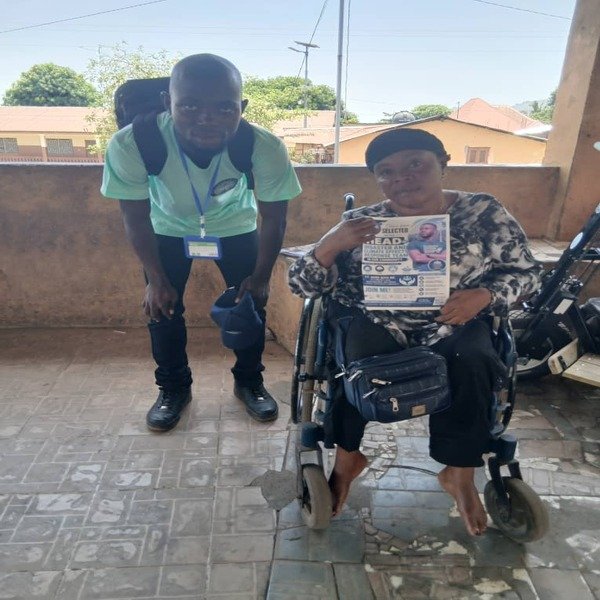
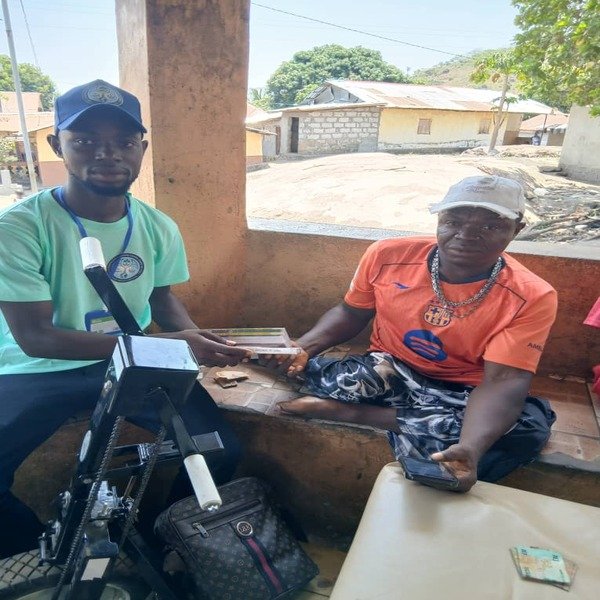
- Community engagement and awareness session at Magbenteh Polio Camp
- Climate change and disaster risk education discussions
- Sanitation and environmental health sensitization
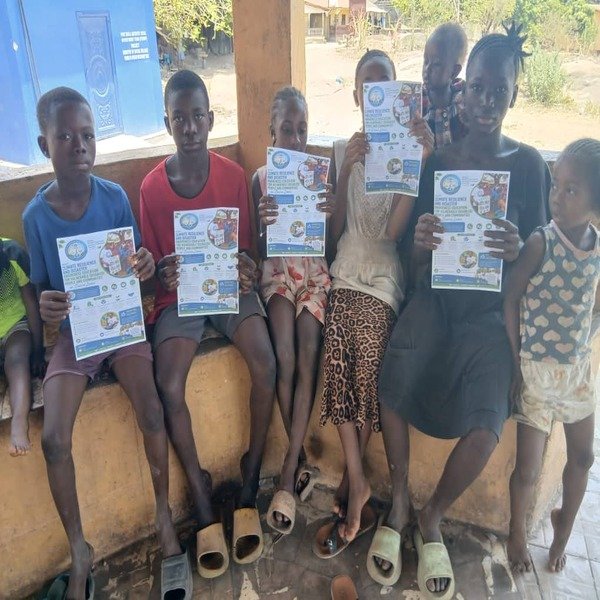
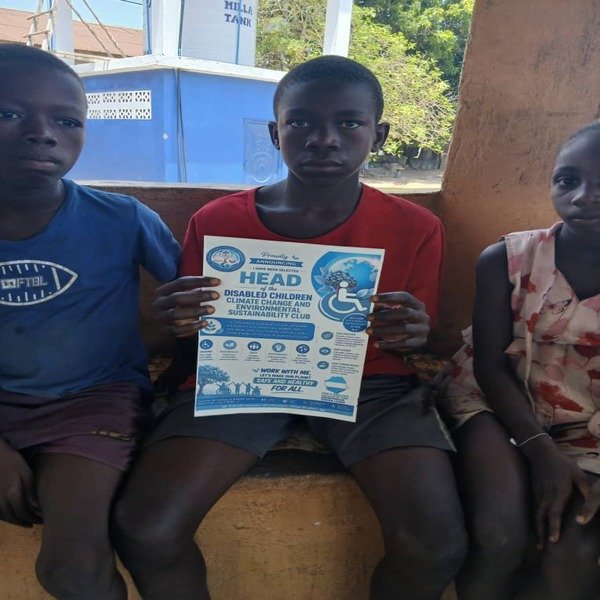
- Establishment of Disabled Children Climate Change Education Club
- Formation of a Community Disaster Response Team
- Supply of school materials to pupils at the Magbenteh Polio Camp
- Advocacy on inclusion of persons with disabilities in climate actions
Results/ Achievements
- Increased awareness of climate change and disaster risks among disabled persons
- Improved understanding of preparedness and environmental protection measures
- Strengthened inclusion of vulnerable groups in climate discussions
- Establishment of a climate change education club for disabled children
- Formation of a community-based disaster response structure
- Improved access to learning materials for pupils through school support
- Enhanced commitment to environmental safety and resilience building
Testimonials
Mr. Abass Kalokoh – Project Lead (2026):
“Persons with disabilities must not be left out of climate action and disaster preparedness. They are among the most affected during environmental crises, and inclusion is essential for building true resilience.”
Mary B. Sesay – Magbenteh Polio Camp, Makeni (2026):
“Prevention is better than cure. The challenges are many. However, now that disasters are yet to happen and the rains have not yet begun, it is important we get the right knowledge and tools or materials like cement etc., to prepare ourselves and protect our communities against flooding as a result of climate change.”
Ibrahim Sesay – Magbenteh Polio Camp, Makeni (2026):
“We are not considered in most cases; people see us as unimportant human beings, but I believe it is the will of God. So we need support.”
Participants – Magbenteh Polio Camp (2026):
“We face flooding, poor sanitation, and extreme weather conditions that affect our daily lives. We need stronger support systems and access to climate and disaster information to protect ourselves.”
Conclusion/ Sustainability
The engagement strengthened climate change awareness; disaster preparedness; and inclusion of persons with disabilities in Makeni. Moreover, it also supported learning through the provision of school materials and established sustainable community structures; including a climate education club and disaster response team, to promote long-term resilience and inclusive development in Sierra Leone.
Climate Change and Environmental Protection Education Initiative for Schools in Sierra Leone
Location: 10 Primary in Sierra Leone
Project Overview
This project focused on strengthening climate change awareness and environmental protection practices among school pupils through interactive education and student-led environmental activities. The initiative aimed to empower young people with knowledge and practical skills to support environmental sustainability within their schools and communities as well as serve as Ambassadors for climate change.
Project Objectives:
- To increase climate change awareness among pupils
- To promote environmental protection and sustainable school practices
- To encourage youth participation in environmental advocacy
- To establish student-led climate change clubs in schools
Beneficiaries:
Direct: Pupils and teachers of Alhadi Islamic Primary School
Indirect: Surrounding communities and families of participating pupils
Key Activities Implemented
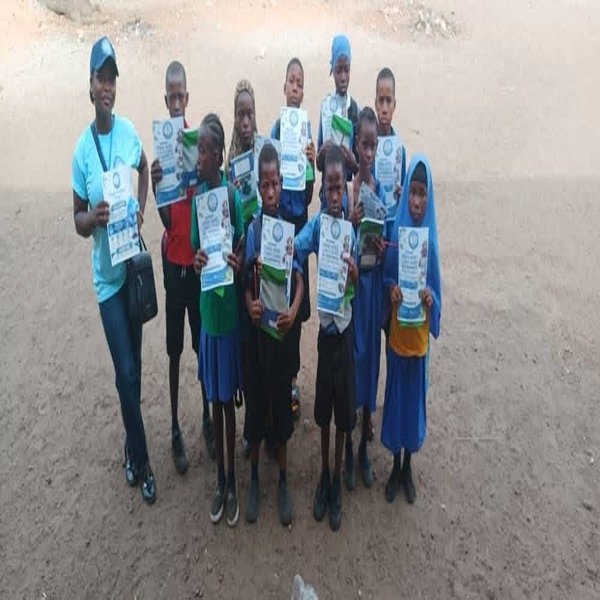
- School-based climate change education sessions
- Environmental protection and waste management discussions
- Interactive awareness activities with pupils and teachers
- Establishment of the Little Green Champions Club
- Selection of 10 club leadership among primary schools pupils
- Advocacy on tree planting and climate-smart behaviors
Results/ Achievements
- Improved awareness of climate change and environmental protection among pupils
- Active participation of teachers and students in sustainability discussions
- Establishment of 10 climate change primary schools clubs for continuous environmental education at early stage
- Strengthened student leadership and participation in climate action
- Enhanced commitment to proper waste management and environmental responsibility within the school
Quotes/ Testimonials
Ms. Fatmata S. Dumbuya – Project Lead (2026):
“Educating children on climate change and environmental protection is essential for building a sustainable future. Young people must be empowered to become environmental leaders within their communities.”
Pupils – Little Green Champions Club (2026):
“We are happy to be part of the club because we will learn how to protect our environment and teach others about climate change.”
Partners
Alhadi Islamic Primary School
Teachers and pupils
Conclusion/ Sustainability
The establishment of the climate change primary schools club created a sustainable platform for continued climate change education and environmental advocacy within the school and their communities.
Moreover, the project strengthened environmental awareness among pupils and promoted long-term student participation in sustainability and community resilience efforts in Sierra Leone.
Equiearth Foundation was featured under the United Nations volunteerism initiative connected to IVY 2026.
We are proud to announce that the
“Youth Volunteer Climate Change and Environmental Protection Initiative”
in Bombali District, Sierra Leone has been officially featured on the Knowledge Platform of the United Nations Volunteers under the International Volunteer Year activities.
This recognition reflects our commitment to promoting youth volunteerism, climate action, environmental protection, and community development in Sierra Leone.
Read the official UNV feature here:
Project Title
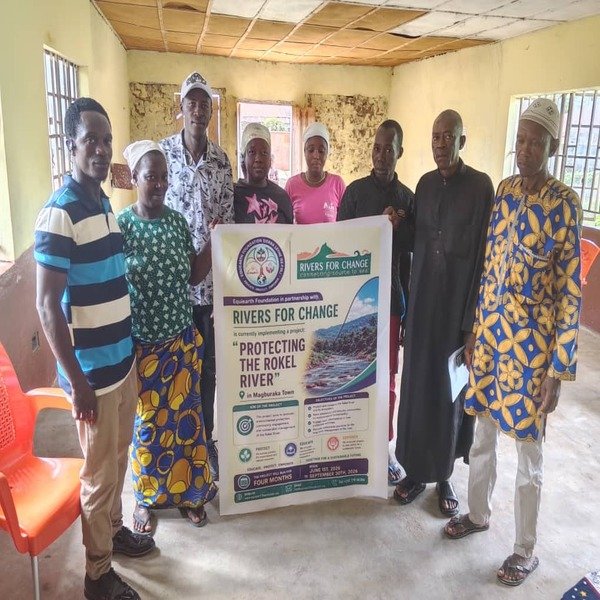
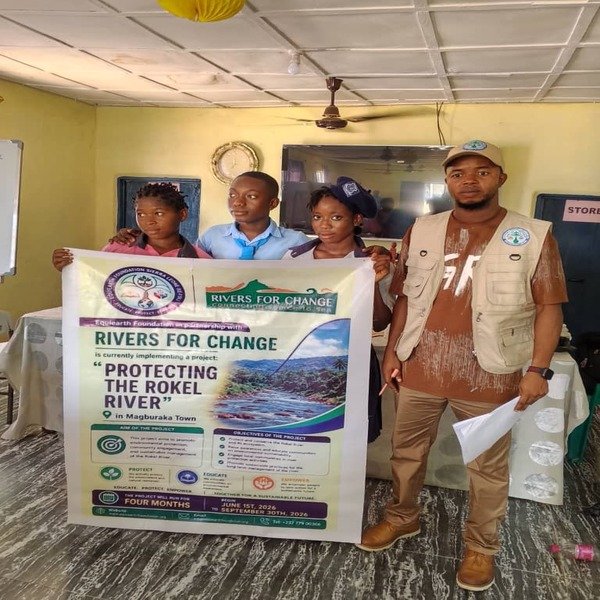
Protecting River Rokel in Magburaka Town
Grantee
Equiearth Foundation Sierra Leone (Grantee: Ibrahim Koroma Dumbuya)
Funder
Rivers for Change
1. Executive Summary
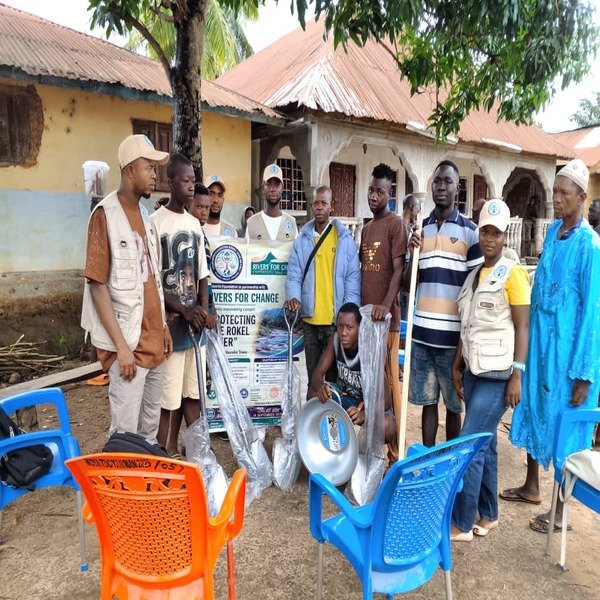
The “Protecting River Rokel in Magburaka Town” project was implemented by Equiearth Foundation Sierra Leone with financial support from Rivers for Change. The project sought to promote the sustainable management of River Rokel through environmental education, stakeholder engagement, community awareness, river clean-up activities, and water quality monitoring.
During the reporting period, most of the planned activities were successfully completed. The project engaged community leaders, schools, women, youth groups, and local residents in protecting River Rokel from pollution, particularly pollution associated with illegal and unsustainable mining activities. Moreover, community participation was encouraging and demonstrated increased awareness of environmental conservation and the importance of safeguarding freshwater ecosystems.
2. Project Objectives
The project aimed to:
– Increase community awareness about protecting River Rokel.
– Strengthen collaboration among community leaders, schools, and environmental stakeholders.
– Reduce pollution affecting River Rokel.
– Promote the sustainable use of river resources.
– Encourage community ownership of environmental protection initiatives.
3. Activities Implemented
Activity 1: Official Community Engagement (1 June 2026)
An introductory meeting was held with community stakeholders to present the River Protection Policy, explain the project objectives, and secure community support. Local leaders expressed their commitment to supporting the implementation of the project.
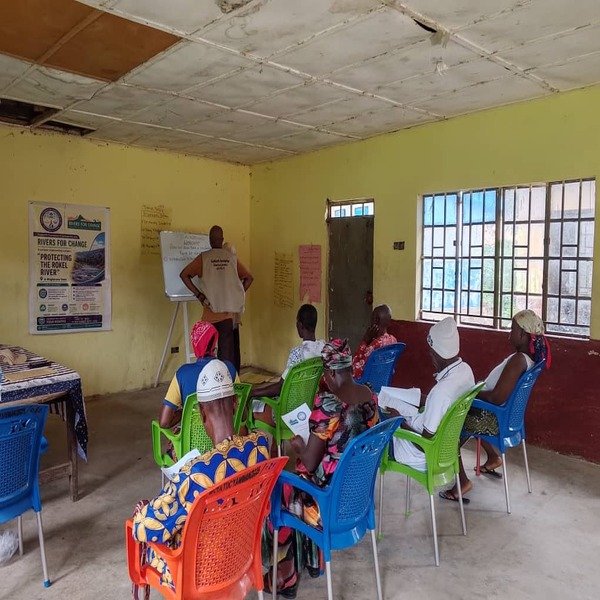
Activity 2: Community Stakeholder Workshop
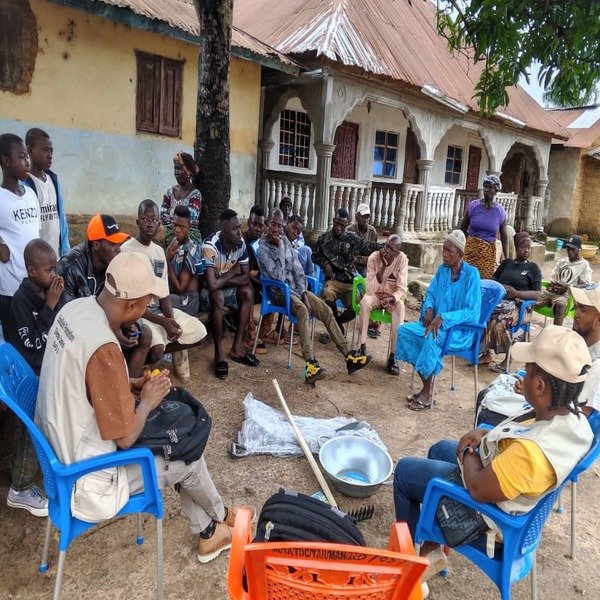
A workshop brought together chiefs, community leaders, youth representatives, women’s groups, and local authorities. Discussions focused on environmental protection, community responsibilities, and practical actions for preserving River Rokel.
Activity 3: School Environmental Education
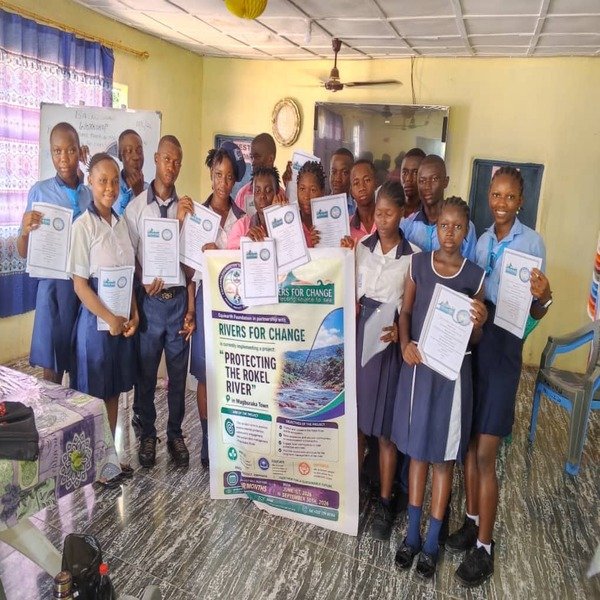
Environmental education sessions were conducted in selected schools in Magburaka Town. Students learned about climate change, water pollution, river conservation, waste management, and community environmental responsibility. The sessions encouraged students to become ambassadors for river protection.
Activity 4: River Clean-Up and Water Quality Monitoring
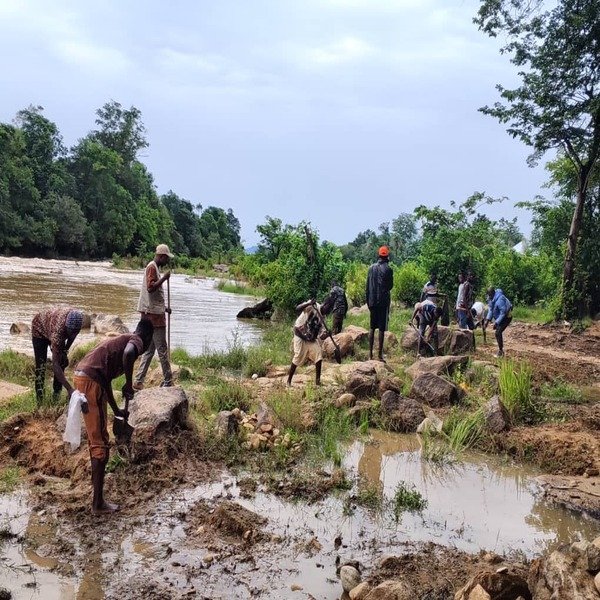
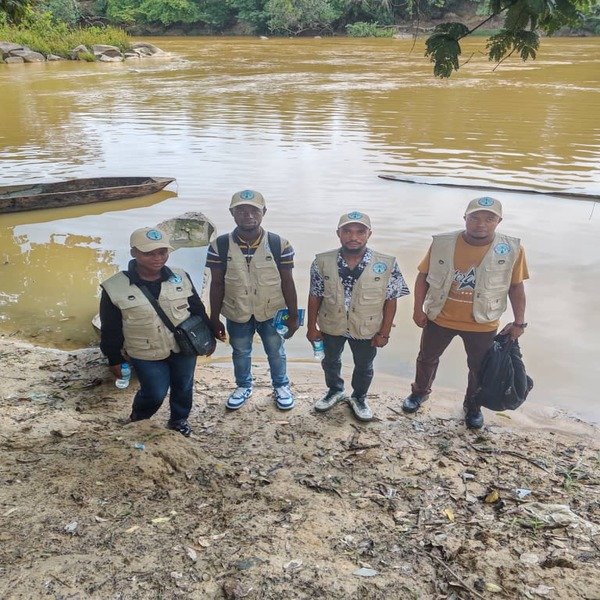
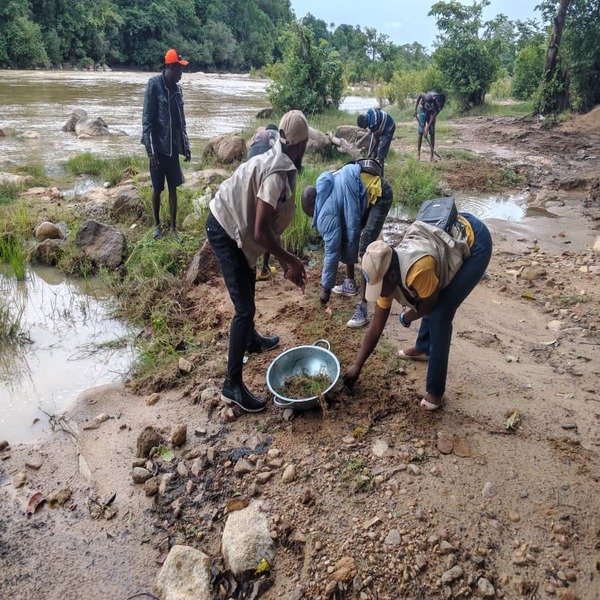
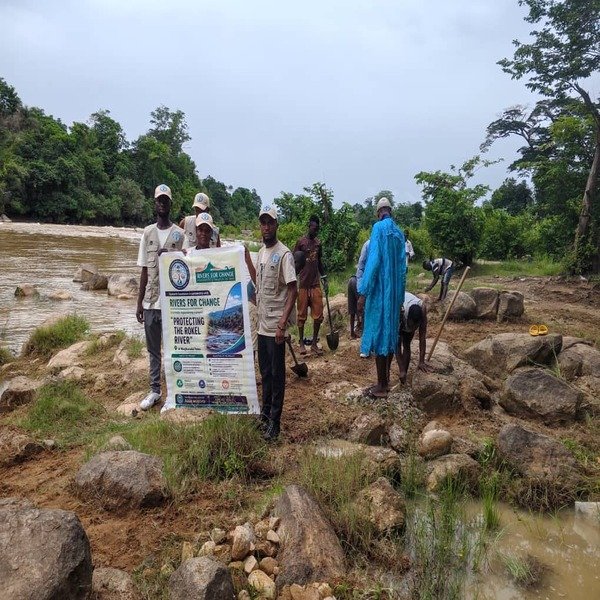
Volunteers participated in a river clean-up exercise along sections of River Rokel. Plastic waste, household refuse, and other pollutants were removed from the riverbanks. Basic water quality observations were also conducted to identify visible environmental concerns.
Activity 5: Distribution of Awareness Materials
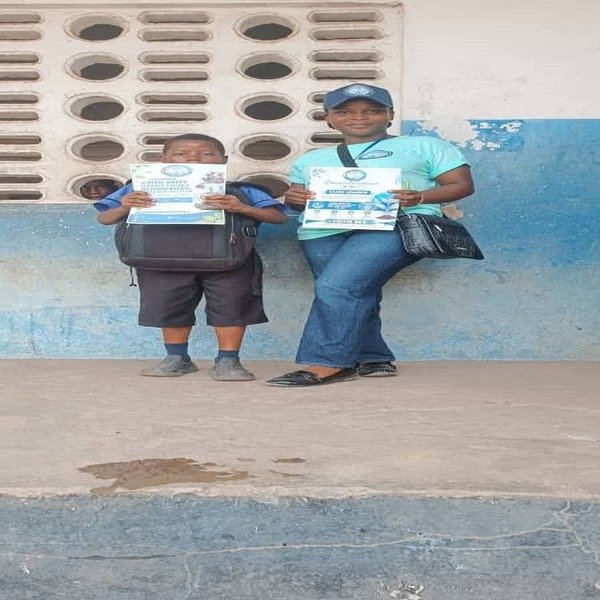
Educational flyers, posters, and visual communication materials were distributed throughout Magburaka Town. The materials highlighted proper waste disposal, pollution prevention, safe river use, and environmental protection messages. Strategic locations included schools, marketplaces, community centres, and public gathering points.
Activity 6: Community Awareness Campaign
A large-scale awareness campaign educated residents on the harmful effects of mining activities on aquatic ecosystems and human health. Community members discussed practical ways of reducing pollution and protecting River Rokel for future generations.
Activity 7: Monitoring and Feedback Session
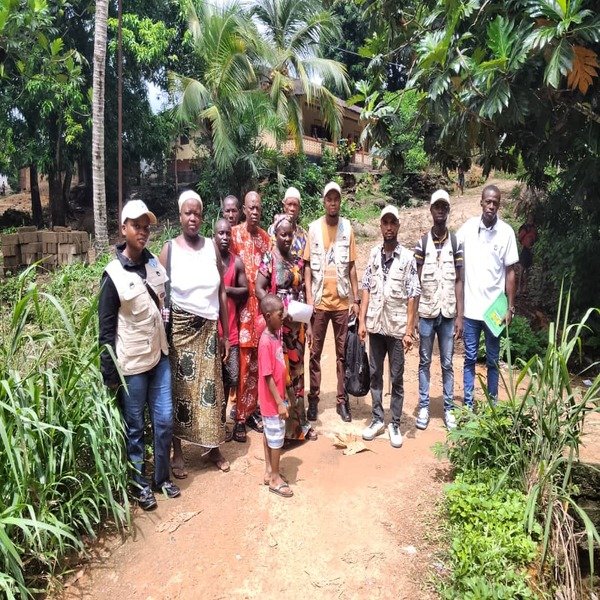
Project staff visited participating communities to assess progress, gather community feedback, and evaluate behavioural changes. Participants reported increased awareness and a stronger commitment to protecting the river.
Activity 8: Report Writing and Outcome Mapping
Documentation of project achievements, lessons learned, indicators, and evidence began in preparation for the final project report.
Activity 9: Mid-Project Briefing
Equiearth Foundation Sierra Leone presented the preliminary project outcomes, highlighting achievements, challenges, and recommendations for the remaining implementation period.
4. Key Achievements
The project achieved the following outcomes:
– Community leaders demonstrated strong support for river protection.
– Environmental awareness increased among school children and local residents.
– Community members improved their understanding of pollution prevention and sustainable river management.
– A successful river clean-up exercise was conducted with the active participation of community volunteers.
– Educational materials reached households and public institutions throughout Magburaka Town.
– Youth and women’s groups actively participated in project activities.
– Collaboration between local stakeholders and Equiearth Foundation Sierra Leone was strengthened.
5. Challenges
Several challenges were experienced during project implementation, including:
– Continued pollution resulting from informal mining activities.
– Limited financial resources for expanding awareness activities.
– Poor waste management practices in some communities.
– Transportation constraints during field monitoring.
6. Lessons Learned
The project revealed several important lessons:
– Community participation was essential for successful environmental conservation.
– Traditional leaders played a vital role in mobilising communities.
– School-based environmental education had significant long-term value.
– Continuous public awareness was necessary to sustain positive behavioural change.
7. Recommendations
Based on the progress made, the following recommendations were proposed:
– Environmental protection regulations should be strengthened and effectively enforced.
– Environmental education programmes should be expanded in schools.
– River monitoring activities should be extended to neighbouring communities.
– Partnerships among government institutions, NGOs, and local communities should be strengthened.
– Alternative livelihood opportunities should be promoted to reduce dependence on environmentally harmful mining practices.
8. Conclusion
The project made significant progress towards improving community awareness and promoting the protection of River Rokel in Magburaka Town. Stakeholder engagement, environmental education, and community mobilisation provided a strong foundation for long-term conservation efforts. Continued collaboration among communities, local authorities, and development partners was identified as essential for sustaining the achievements of the project and ensuring the long-term protection of River Rokel.
“Cleanliness is next to godliness.”
A clean school environment protected pupils and teachers from diseases, enhanced learning, promoted discipline, and fostered a sense of responsibility for protecting the environment. Moreover, schools that maintained proper sanitation not only provided a healthier atmosphere for education but also nurtured environmentally conscious citizens who would contribute to sustainable development in their communities.
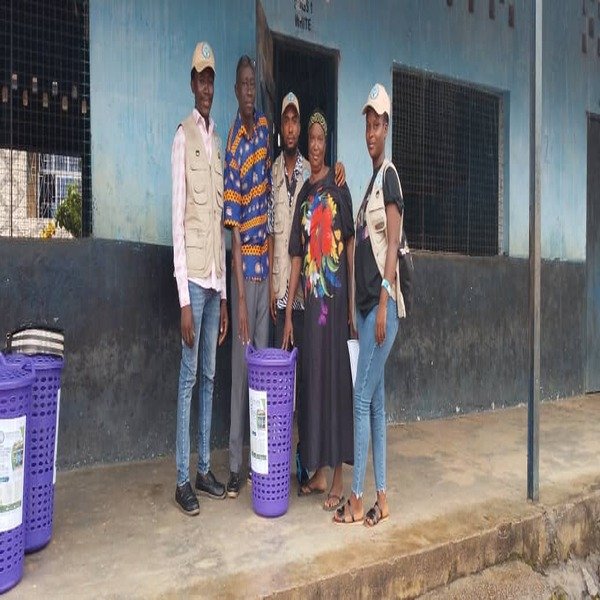
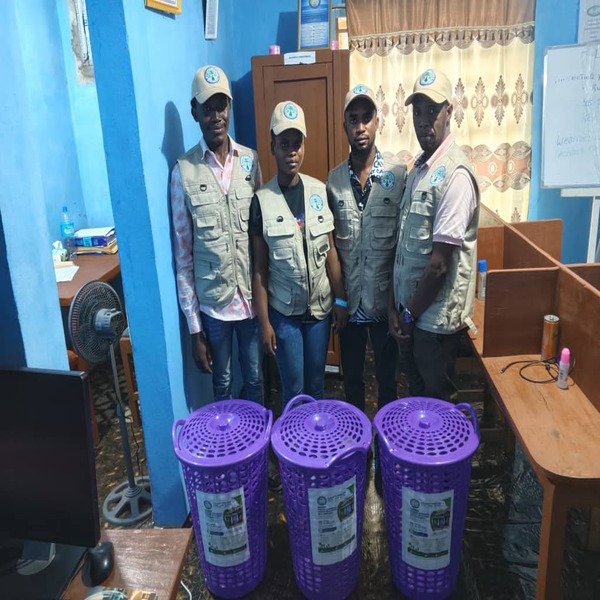
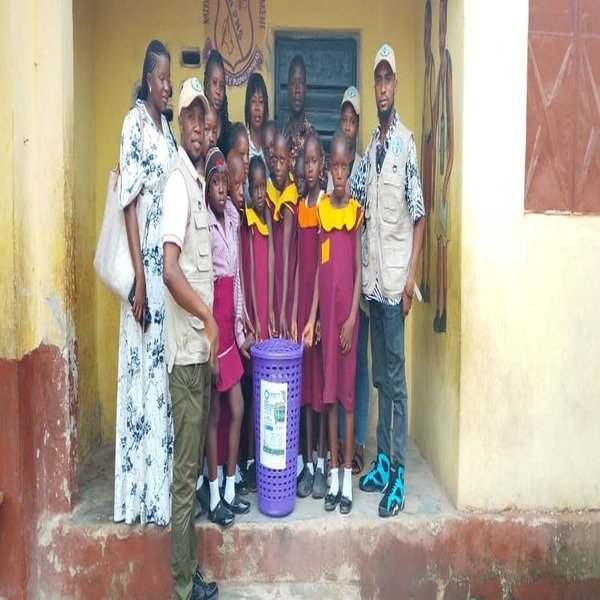
Against this backdrop, on Monday, 13 July 2026, the staff of Equiearth Foundation Sierra Leone successfully commenced the implementation of the project titled:
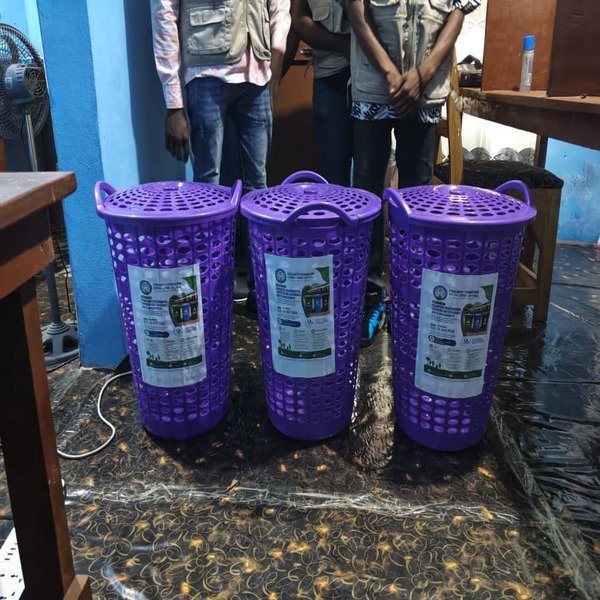
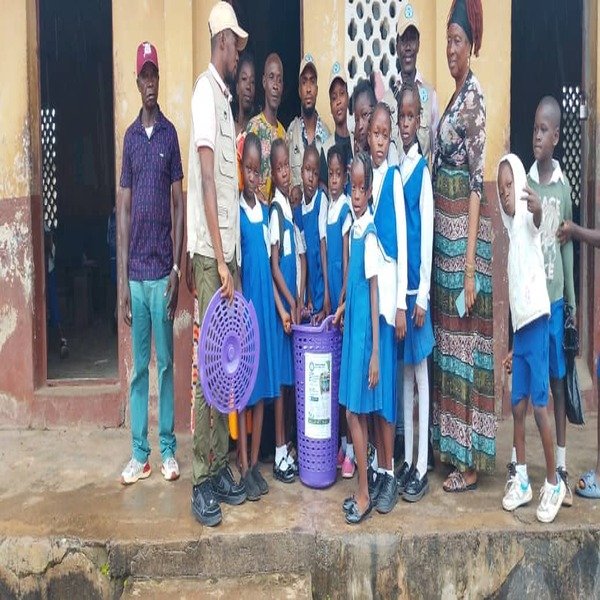
“Promoting Environmental Sanitation and Sustainable Waste Management Through the Provision of Waste Bins to Primary Schools in Makeni, Bombali District, Sierra Leone.”
The project was fully funded by Equiearth Foundation Sierra Leone and aimed to promote environmental sanitation and sustainable waste management practices in selected primary schools across Makeni, Bombali District.
The project sought to achieve the following objectives:
1. To provide waste bins to selected primary schools.
2. To promote proper waste disposal and environmental sanitation.
3. To increase awareness of sustainable waste management among pupils and teachers.
4. To encourage environmentally responsible practices within school communities.
As part of the implementation process, waste bins were successfully distributed to the following primary schools:
1. Saint Francis Primary School
The waste bins were received by Mr. Conteh, who expressed his sincere appreciation to Equiearth Foundation Sierra Leone for the timely intervention. He noted that the provision of the waste bins would significantly improve cleanliness within the school environment, encourage pupils to practice proper waste disposal, and strengthen the school’s environmental sanitation efforts. He further commended the Foundation for prioritizing the health and well-being of schoolchildren through practical environmental initiatives.
2. SLC Primary School, Rogbaneh
The waste bins were received by Mr. Sesay, who thanked Equiearth Foundation Sierra Leone for the generous support. He stated that the initiative would contribute immensely to maintaining a cleaner school compound while promoting environmental awareness and responsible waste management among both pupils and teachers. He added that the intervention would help instill positive sanitation habits that pupils could also practice in their homes and communities.
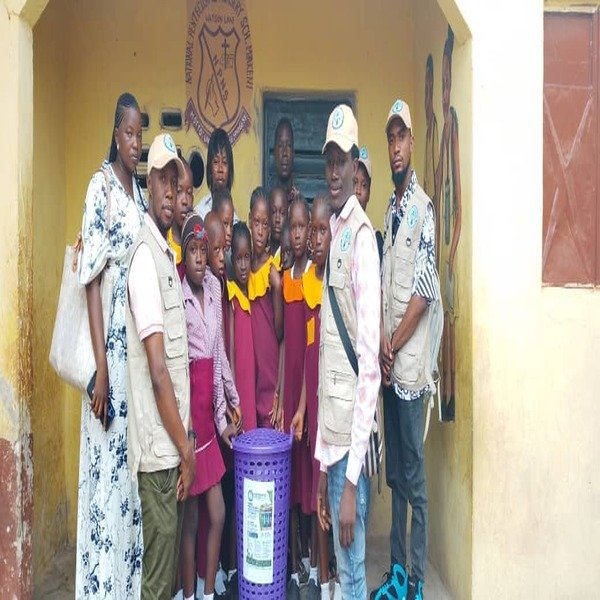
3. National Pentecostal Primary School, Watson Lane
The waste bins were received by Mr. Kamara, who expressed profound appreciation to Equiearth Foundation Sierra Leone for supporting the school with this important environmental intervention. He emphasized that the waste bins would encourage proper waste disposal, reduce indiscriminate littering, and create a cleaner, healthier, and more conducive learning environment for pupils and staff.
During the implementation, the Project Lead, Fatmata S. Dumbuya, encouraged school authorities, teachers, and pupils to make effective and responsible use of the waste bins provided. She stressed that environmental protection started with individual responsibility and that every member of the school community had a role to play in maintaining a clean and healthy environment.
She further encouraged pupils to cultivate positive environmental habits, including proper waste disposal, reducing littering, practicing good sanitation, and serving as environmental ambassadors within their schools, homes, and communities. According to her, the pupils represented the next generation of leaders, and equipping them with the right environmental values was essential for achieving a cleaner and more sustainable Sierra Leone.
The successful implementation of the project contributed significantly to achieving its intended outcomes by creating cleaner and healthier school environments, improving waste management practices in the participating schools, increasing environmental awareness among pupils and teachers, and fostering a stronger culture of environmental responsibility and sustainability.
Through this initiative, Equiearth Foundation Sierra Leone reaffirmed its commitment to promoting environmental sustainability through practical, community-driven interventions that improved public health, strengthened environmental education, and empowered young people to become responsible stewards of the environment. The Foundation remained committed to partnering with schools and communities to build a cleaner, healthier, and more sustainable Sierra Leone for present and future generations.
July 28th, 2026
Project Title:
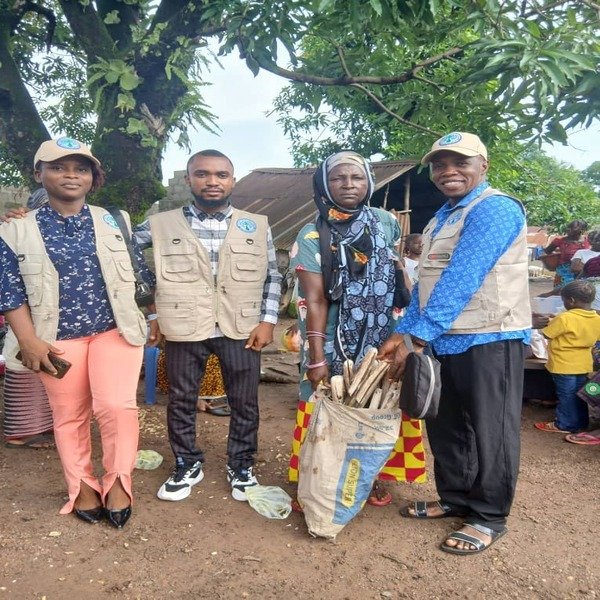
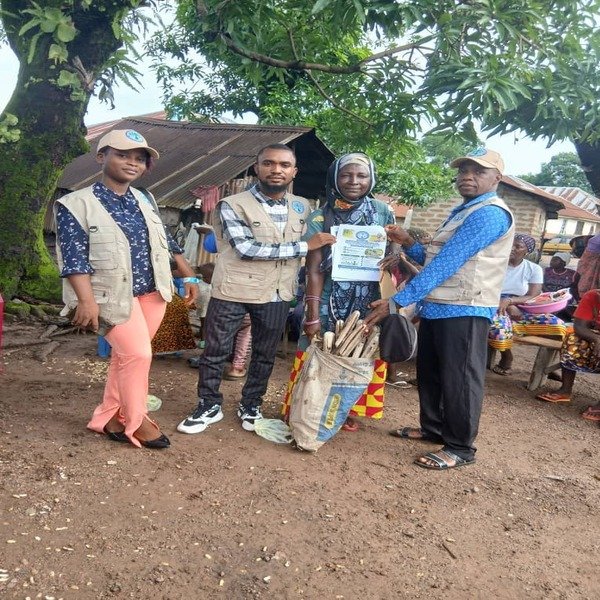
Enhancing Agricultural Productivity, Food Security, and Women’s Economic Empowerment Through the Provision of Essential Farm Tools to Rural Female Smallholder Farmers in Bombali District, Sierra Leone
Implementation Date:
Tuesday, 28 July 2026
Location: Makambo Community, Bombali District, Sierra Leone
Implemented and Funded by: Equiearth Foundation Sierra Leone (EE-FSiL)
Agriculture remained a major source of livelihood for rural communities in Sierra Leone, with women playing a significant role in food production, household nutrition, and community development. However, many rural female smallholder farmers continued to face challenges, particularly limited access to essential farming tools and resources. And the lack of adequate agricultural equipment increased labour demands, reduced farming efficiency, and constrained the ability of women farmers to improve productivity, increase household income, and build resilience against climate-related challenges.
As highlighted by Amartya Sen, development was not only about economic growth but also about expanding people’s capabilities and access to opportunities. Providing women with productive resources strengthened their ability to improve their livelihoods and contribute meaningfully to economic development.
Similarly, Wangari Maathai emphasized the importance of empowering communities, especially women, as key drivers of sustainable development and environmental protection.
Against this backdrop, recognizing the critical role of women in agriculture and the challenges they faced, Equiearth Foundation Sierra Leone implemented the project titled
“Enhancing Agricultural Productivity, Food Security, and Women’s Economic Empowerment Through the Provision of Essential Farm Tools to Rural Female Smallholder Farmers in Bombali District, Sierra Leone.”
The initiative was designed to support rural women farmers by improving access to agricultural tools, promoting sustainable farming practices, and strengthening food security at the household and community levels.
On Tuesday, 28 July 2026, Equiearth Foundation Sierra Leone successfully implemented the project in Makambo Community, Bombali District, as part of its commitment to advancing sustainable agriculture, climate resilience, food security, and women’s economic empowerment.
The implementation programme brought together community leaders and selected rural female smallholder farmers. In the course of the activity, the Foundation highlighted the important contribution of women farmers to agricultural production and household food security while acknowledging the difficulties caused by inadequate access to farming equipment.
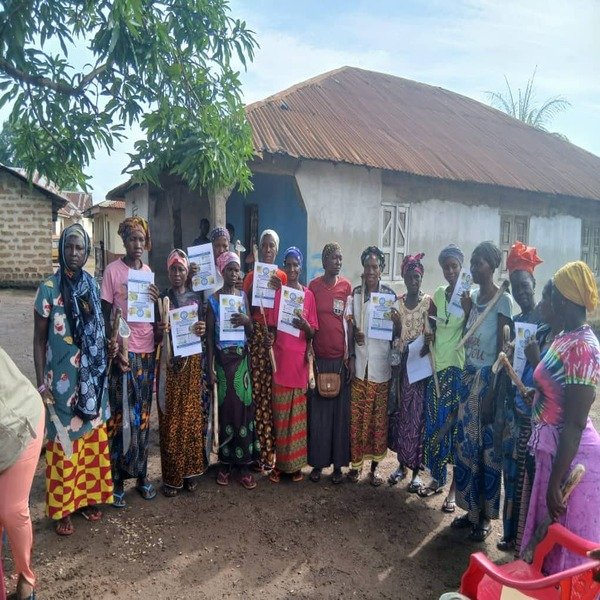
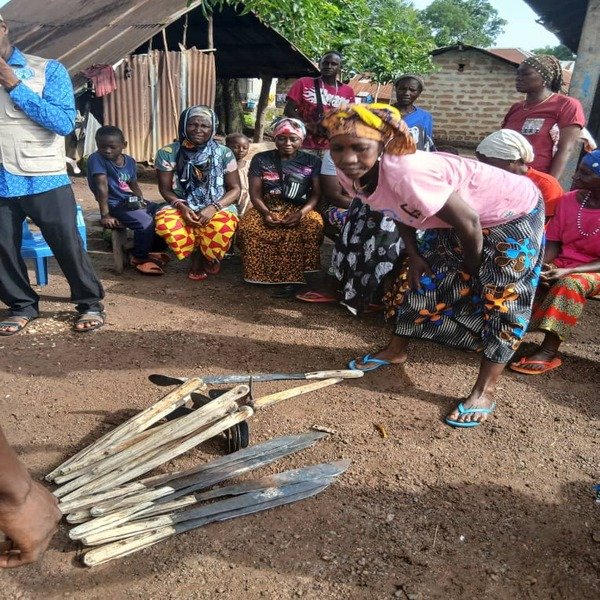
Moreover, a total of 20 essential farm tools were distributed to 10 selected rural female smallholder farmers in Makambo Community. And the support was expected to reduce labour constraints, improve farming efficiency, increase agricultural productivity, and enhance household food security. Furthermore, the beneficiaries were also encouraged to adopt climate-smart and environmentally sustainable farming practices to strengthen their resilience to climate change impacts.
On the other hand, the beneficiary women expressed their appreciation to Equiearth Foundation Sierra Leone for the intervention and noted that the farm tools would significantly improve their farming activities, increase crop production, and contribute to improved household income. Equally, community leaders also appreciated the Foundation’s efforts in supporting women farmers and promoting inclusive rural development within the community.
To this end, Equiearth Foundation Sierra Leone committed to monitoring the progress of the beneficiaries to assess the impact of the intervention on agricultural productivity, livelihoods, and women’s economic empowerment. On top of that, and most importantly, the Foundation remained COMMITTED to expanding similar agricultural support initiatives to other rural communities across Sierra Leone.